Last updated 2026-08-18
TL;DR
Yes, Arizona requires a certificate from the Arizona Board of Certified Court Reporters before you practice court reporting here, including digital and electronic recording. Budget $2,500 to $8,000 all-in for training, gear, exams, and state fees. Plan 4 to 12 months from first class to paid work. Verify current fees and processing times with the board before you spend.
Do you need a license for digital court reporter in Arizona?
Yes. Arizona Revised Statutes § 32-4021 says you need a certificate from the Arizona Board of Certified Court Reporters before you engage in the practice of court reporting in this state [2]. The statute's definition of court reporting in § 32-4001 covers making a verbatim record by electronic recording devices, which includes what people call digital court reporting [1]. That means the license question is not about the recorder you carry. It is about the work you are doing.
Some people hear "digital" and assume it is an unlicensed side path. That assumption will get you into trouble in a deposition. Arizona law does not say that only steno writers are regulated. It regulates the activity. If you are sitting in a deposition, hearing, or courtroom to capture the record, you are practicing court reporting unless a specific exemption applies. Do not rely on an exemption without a written confirmation from the board. The safest read is: yes, you need a certificate.
The practical difference is which qualification route you use. A traditional stenographic court reporter passes a steno speed test. A digital or electronic court reporter may qualify through an alternative electronic recording qualification. The board, not your training program, decides whether your training meets the state's standard. Check that before you pay a tuition bill.
What does the Arizona Board of Certified Court Reporters regulate?
The board regulates the practice of court reporting in Arizona, including freelance deposition reporters, court employees who make the official record, and digital or electronic reporters who use audio recording gear [2]. It was created under Arizona law and has authority to set qualifications, issue certificates, collect fees, and discipline certificate holders [3][4]. That is broad. It covers far more than state courthouse employees.
If you are a freelance digital reporter taking depositions at a law firm or remote proceeding, the board's reach is the same. You are not off the hook because the client calls you a "legal videographer" or "digital reporter" instead of a court reporter. The statute looks at the task, not the job title [1]. Arizona tends to be practical here, but the board can and does answer these scope questions. Ask them before you market yourself.
One thing the board does not control is federal court. Federal courts have their own contract and employee rules, and an Arizona state certificate is not automatically required there. But most new digital reporters start in state court depositions or private agency work. That is where the Arizona board matters.
How much does digital court reporter cost in Arizona?
Plan on $2,500 to $8,000 all-in for your first year as a digital court reporter in Arizona. The low end assumes you already own a reliable laptop and pass every exam on the first try. The high end covers a full training program, new audio gear, national exam fees, board fees, and a few months of slow work.
Here is a realistic cost table:
| Cost layer | Typical range | Notes |
|---|---|---|
| Training program | $900 to $4,500 | Online digital or electronic programs cost less than traditional steno schools. |
| National exam fees | $200 to $500 | NCRA RPR or similar. Confirm current fees before registering. |
| Arizona board fees | roughly $200 to $350 | Application and initial certification. Get the current schedule from the board. |
| Equipment and software | $500 to $1,500 | Digital recorder, headphones, foot pedal, transcription software. |
| Total | $1,800 to $6,850 without retakes | Add $200 to $600 for each failed exam or late application. |
The table is not a quote from the board. It is my working budget. You can start cheaper if you buy used gear and take a short course. You can spend far more if you sign up for a long traditional program. The real waste is paying for steno speed classes when you plan to work as a digital reporter. Match the training to the Arizona credential you are pursuing [3].
DigitalReporterPath's $199 one-time Digital CSR Path Kit is one of the lowest-cost prep resources if you already know the basics, but it does not replace the Arizona board application. Use it to orient, then put your money into state compliance and gear.
What are the Arizona-specific fees I should confirm?
The exact board fee schedule changes and should be confirmed before you budget. Arizona law gives the board the authority to set fees by rule [4]. The current schedule is posted by the Arizona Supreme Court or the board. Do not plan your start date around a fee number you saw in a forum.
What I can tell you: the state's own fees are not the expensive part. Most Arizona digital reporters spend more on a single recorder than on the board application. Budget $200 to $350 for first-time board costs, then a lower renewal amount each year. That is a working range, not a fee schedule. If money is tight, call the board and ask for the current application, examination, and certificate fees before you pay for training. Also ask about background check and fingerprint fees, which can be separate [4].
Here is the budgeting rule: if a program quotes you a $99 total cost to become certified by Arizona, it is leaving out the board fee or the exam fee. Ask for the full list. Pay for the certification first. Gear can be replaced later.
Which training route is cheapest and fastest in Arizona?
The cheapest and fastest legal path is usually a digital or electronic court reporter course that Arizona recognizes, not a traditional stenographic reporting associate degree. Community college and online courses run $1,000 to $4,500, and some can be completed in three to six months part-time. A full steno program often runs two to four years, which is a huge opportunity cost. If your goal is digital work, a two-year steno program is overkill.
That said, the word "fast" only matters if the board accepts the program. Arizona's board qualifications are set by statute and rule [3]. You want a course that teaches legal terminology, transcript format, annotation, confidentiality, and deposition procedures. A generic audio transcription course is not enough unless you already know the legal side.
When you compare programs, ask three questions. Will the board accept this completion for my digital or electronic application? Does the price include software and transcripts? Is there instructor feedback on real audio? If the answers are no, no, and no, the $899 price tag is not a bargain. It is a false start.
What equipment and software do you actually need?
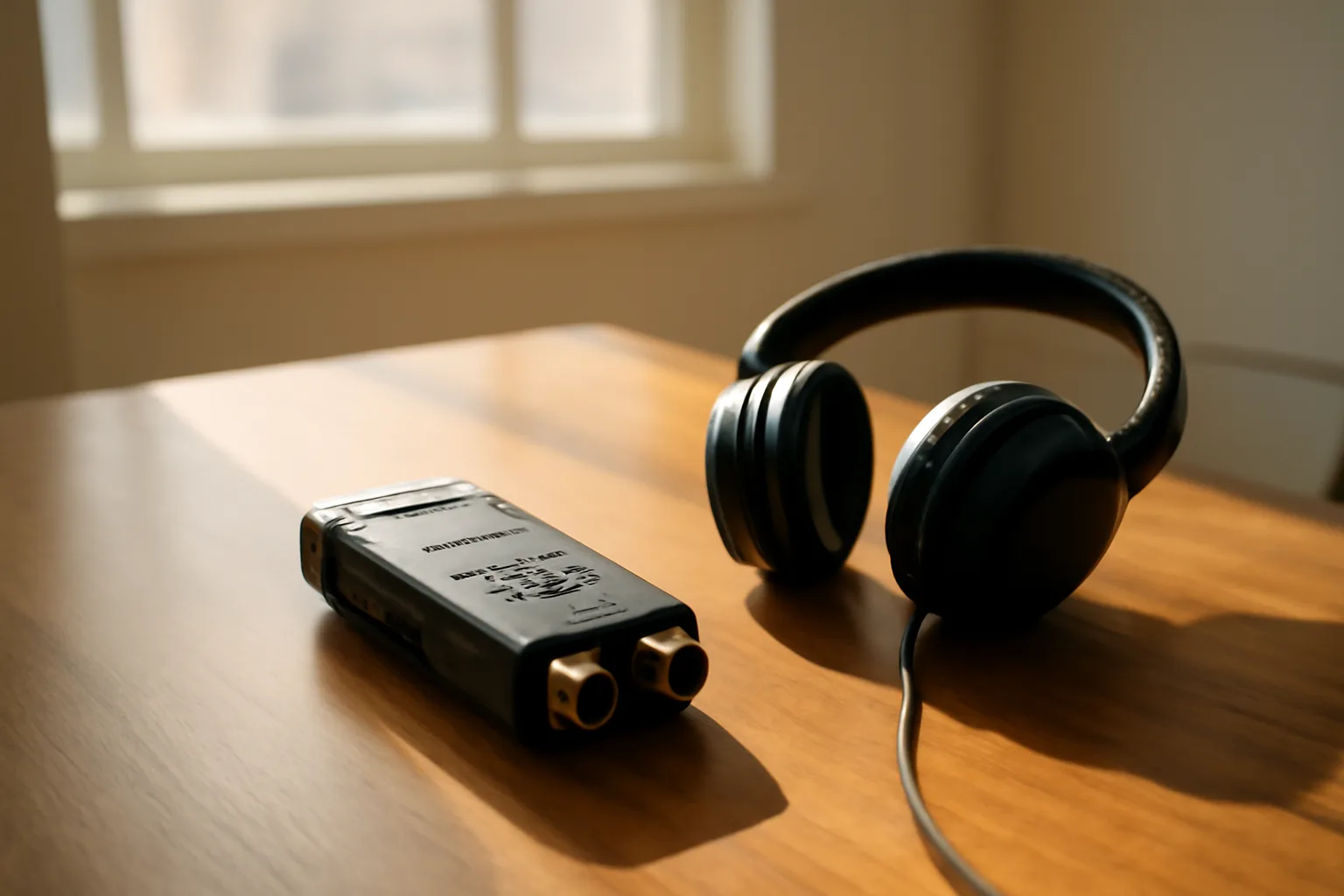
Start with a digital recorder that records two tracks or a backup, good over-ear headphones, a foot pedal, a laptop, and transcription software. A new setup runs $500 to $1,500, and this is where many budgets quietly grow. Buy a recorder made for legal work, not a voice memo app. If a phone notification kills your recording, you have no transcript and a very unhappy attorney.
Software matters less than your headphones and backup. Look for software that supports foot pedal playback, timestamps, and speaker identification. Some courts and agencies have preferred software, so ask before you buy a license. A foot pedal is not optional. It will save your wrists and speed you up more than any expensive software.
Do not buy a $5,000 steno machine for digital work. You do not need it. Do not buy a $10,000 traditional reporting program if the Arizona digital route does not require steno. Spend the difference on a solid laptop, cloud backup, and professional liability insurance. A lost recording is a lawsuit, not a small mistake.
How long does digital court reporter take in Arizona?
Plan 4 to 12 months from first class to paid work in Arizona. A short digital or electronic course can take 3 to 6 months. Then you have exam scheduling, board application, background checks, and wait time. If everything lines up, you can be certified in the lower end of that range. If you train part-time or need to retake an exam, lean toward the upper end.
The board part is not usually the long pole. Training and transcription speed are. Digital reporters still need to produce clean, fast transcripts, and that skill develops with practice. You can shorten the timeline by transcribing real audio daily during your course. Do not quit a job based on a promised six-week certification. No one can guarantee a processing time, and the board will not rush because you have a client waiting.
For traditional steno, plan two to four years. For digital, the bar is lower in time but not in legal responsibility. Confirm current processing times with the board, then set your client start date with a buffer.
Can you work as a digital court reporter in Arizona without an RPR or stenography certification?
Yes, you can work as a digital court reporter without a steno machine or the RPR if you satisfy Arizona's digital or electronic qualification route. The RPR from the National Court Reporters Association is a respected credential, but it is built around stenographic speed and is not the only route to a court reporter certificate in Arizona [6]. The state's definition includes electronic recording [1]. The board can accept alternative qualifications.
That does not mean you can skip certification. You still need the Arizona certificate. The RPR is not required by statute for every route. What is required is that the board approves your training or exam path [3]. If you are already an AAERT Certified Electronic Reporter, that can be part of your application, but it is not a free pass. Present it as evidence of competency.
Here is my blunt take. If you are not a steno writer and you want to get to work quickly, the digital route is the obvious choice. Just do not confuse "no steno requirement" with "no license." The license is still the gate. For a different market comparison, see digital court reporter cost in Georgia.
Does Arizona accept out-of-state or AAERT electronic reporter certification?
Arizona does not offer automatic reciprocity for an out-of-state court reporter certificate or an AAERT electronic reporter card. The statute allows the board to set qualifications and to review applications case-by-case [3]. An out-of-state credential can be submitted as supporting material, but the board decides whether it satisfies Arizona's standard. Do not take a deposition in Phoenix on a California certificate alone.
The American Association of Electronic Reporters and Transcribers offers the Certified Electronic Reporter designation. It is a useful national benchmark for digital reporters, and many Arizona agencies recognize it as a signal of skill [7]. But it is not issued by the Arizona board. Certification and licensure are different words here.
If you are moving from another state, call the Arizona board before you pack your gear. Ask specifically: "Does my current certification meet Arizona's electronic or digital qualification, and what do I file?" Get the answer in writing. That will save you from a gap where you cannot legally work. Compare the Arizona rules with digital court reporter cost in Colorado if you plan multi-state work.
What do Arizona digital court reporters earn compared to startup costs?
The U.S. Bureau of Labor Statistics reports, "The median annual wage for court reporters and simultaneous captioners was $63,560 in May 2023" [5]. Arizona's freelance rates vary, but the startup cost of $2,500 to $8,000 is a fraction of a year's median pay. The time to earn that back depends on how fast you can build deposition or court overflow clients.
Here is the honest catch. A freelancer is not an employee. You pay self-employment tax, health insurance, downtime, and your own equipment. A $63,560 wage number is not your take-home. If you work agency overflow, you may start at $25 to $35 an hour for transcribed work; some deposition reporters charge per page. Those numbers shift in a small market like Arizona, and nobody has perfect public data for digital-only reporters. But the math still works for a lean startup if you treat yourself like a business.
Hidden costs Arizona digital reporters forget
Plan for annual costs beyond your initial certificate. Professional liability insurance runs $300 to $800 per year. Cloud backup for your audio files runs $50 to $150 a year. If you notarize transcripts in Arizona, add a notary bond and supplies, roughly $50 to $100. None of these are large, but they add up when you start quoting flat rates.
The biggest hidden cost is downtime. A new digital reporter sits unpaid during transcript production, client acquisition, and learning the local court rules. That is not a fee, but it is real. If you budget $6,000 for year one, do not expect to earn back all of it in year one. Build an emergency fund of at least one month of bills before you leave a job.
Renewal is another one people forget. Arizona certificates are not free forever. The board sets renewal fees and continuing education by rule [4]. Set a calendar reminder 90 days before your expiration date. Late fees and lapsed certifications will cost more than the renewal.
Cheapest path to your first paid digital court reporter job in Arizona
Here is the lean plan I would actually take in Arizona. Pick a board-approved digital or electronic reporting course in the $1,000 to $2,500 range. Buy a mid-range legal recorder and foot pedal. Take the board-required exam. Apply for your Arizona certificate. Then start taking overflow deposition work from local agencies while you build your own clients.
Do not buy a full traditional steno program if you plan to stay digital. Do not buy premium transcription software before you know what your first agency uses. Do not print business cards before you are certified. The sequence is certification, gear, work, upgrades.
Near the end of your first month, review your actual cost per transcript. If your DigitalReporterPath kit or other prep materials helped, good. If not, stop paying for extras you do not use. The goal is not a fancy setup. The goal is a legal, paid transcript delivered on time. If you already have the $199 DigitalReporterPath kit, the next step is /start. If you do not, compare nearby state guides like digital court reporter cost in California and digital court reporter cost in Florida.
Frequently asked questions
Do you need a license for digital court reporter in Arizona?
Yes. Arizona Revised Statutes § 32-4021 requires a certificate from the Arizona Board of Certified Court Reporters before practicing court reporting in this state. The definition includes electronic recording, and digital reporting is not exempt. Some federal or court-employee exceptions may apply, but for freelance deposition work, assume you need certification until the board confirms otherwise.
How much does digital court reporter cost in Arizona?
A realistic all-in startup budget is $2,500 to $8,000. That includes training ($900 to $4,500), equipment ($500 to $1,500), national exam fees ($200 to $500), and Arizona board fees. You can start for less if you already own gear and pass on the first attempt. Check the board's current fee schedule before budgeting.
How long does digital court reporter take in Arizona?
Plan 4 to 12 months from first class to paid work. Short digital or electronic reporting courses take 3 to 6 months; board processing and exam scheduling add the rest. Traditional stenographic programs take 2 to 4 years. No one can guarantee a processing time, so confirm with the board before starting.
Is a digital court reporter license different from a court reporter license in Arizona?
Arizona does not use a separate "digital court reporter" license label. The board certifies people for the practice of court reporting, and the definition includes electronic recording. Depending on the board's current application classes, you may qualify through an electronic route rather than a steno speed test. Confirm the exact category before you apply.
Can I use a phone or laptop microphone for court reporting in Arizona?
No. A phone or laptop mic is not a legal-grade recorder. You need a dedicated digital recorder with backup, quality external microphones, and reliable monitoring. Courts and law firms expect clean audio with no notification interruptions or dropped tracks. Budget $500 to $1,500 for proper recording gear.
Does Arizona accept my AAERT CER?
AAERT's Certified Electronic Reporter can be submitted as evidence of competency, but it is not issued by the Arizona board and does not automatically certify you in Arizona. The board reviews applications case-by-case under its qualification rules. Get a written answer from the board before you move or take work.
How much does the Arizona state license itself cost?
The board sets fees by rule under Arizona Revised Statutes § 32-4025. Working range is roughly $200 to $350 for first-time application and certification, plus any separate background or fingerprint fees. That number is not a quote. Call the board or open its current fee schedule before you apply.
What is the difference between the NCRA RPR and the Arizona certificate?
The RPR is a national stenographic credential. An Arizona certificate is the state license that lets you practice court reporting in Arizona. The RPR can support an application, but the board may accept a digital or electronic qualification route instead. Having an RPR alone does not make you a licensed Arizona court reporter.
Do federal courts in Arizona require a state digital court reporter license?
Federal courts have their own contractor and employee procedures and are not governed by the Arizona board for those proceedings. But if you also take state depositions or state court work, the state certificate requirement applies. Many new reporters work in both, so getting the Arizona certificate is worth it.
How much continuing education do I need in Arizona?
Arizona rules assign continuing education as part of renewal. The exact hours and topics change, and the board publishes the current cycle. Do not rely on a national list alone. Ask the board for the current CE requirement for your renewal period and keep your certificates of completion.
Can I get an Arizona digital court reporter certificate entirely online?
The training can be online, and some parts of the application may be online, but certification itself comes from the Arizona board. Fingerprints or notary steps may require in-person action. Check the current application checklist. Do not prepay for an online program claiming it is state approved until the board confirms.
What happens if I work as a digital court reporter in Arizona without a license?
You risk board enforcement, loss of work, and problems for the attorneys who hired you. Arizona law requires certification before you practice court reporting. There are narrow exceptions, but unlicensed deposition work is not a small technicality. If someone offers you money to report a deposition and you are not certified, say no until you have board approval.
How do I verify Arizona board fees and processing times right now?
Call the Arizona Board of Certified Court Reporters or use its official Arizona Supreme Court page. Ask for the current fee schedule, application checklist, and expected processing window. Keep notes of who you spoke with and the date. The board's current answer is the one that matters for your start date.
Is Arizona a good state to start as a digital court reporter?
Arizona is a reasonable state for digital reporters because the statute includes electronic recording and you can avoid the long steno route. The market is smaller than California or Florida, but startup costs are manageable and overflow deposition work exists. If you plan multi-state work, compare California and Florida rules.
Sources
- Arizona Revised Statutes § 32-4001: Practice of court reporting definition includes making a verbatim record by electronic recording devices
- Arizona Revised Statutes § 32-4021: A person shall not engage in the practice of court reporting in this state without a board-issued certificate
- Arizona Revised Statutes § 32-4022: Board may set qualifications and examine applicants for certification
- Arizona Revised Statutes § 32-4025: Board authority to establish and collect fees for applications, examinations, and certificates
- U.S. Bureau of Labor Statistics, Occupational Outlook Handbook, Court Reporters and Simultaneous Captioners: The median annual wage for court reporters and simultaneous captioners was $63,560 in May 2023
- National Court Reporters Association, Registered Professional Reporter Certification: RPR is the national stenographic certification benchmark, separate from a state license
- American Association of Electronic Reporters and Transcribers, Certified Electronic Reporter: Certified Electronic Reporter is a national electronic court reporter certification
- Arizona Revised Statutes § 32-4002: Arizona Board of Certified Court Reporters established with authority over the practice of court reporting